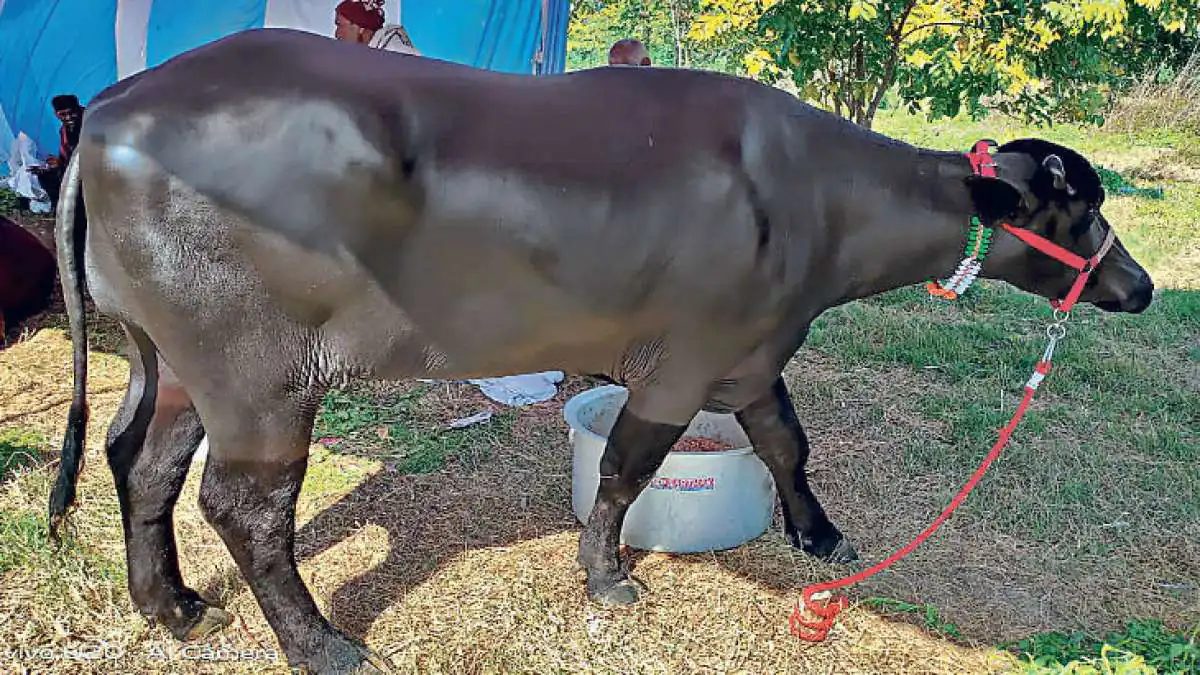
The research points out that buffaloes and crossbred cattle are particularly susceptible to heat stress. In contrast, indigenous breeds like Sahiwal and Haryana cattle demonstrate much greater resilience to changing weather patterns.
NDRI Study Unpacks the Data
Published in 'Scientific Reports', the study meticulously analyzed animal and weather data from 19 districts across Haryana between 2004 and 2019, covering over 1,100 villages annually. Researchers correlated milk production records with various climatic indicators, including temperature, humidity, rainfall, Temperature-Humidity Index (THI), and Potential Evapotranspiration (PET).
PET, which measures the atmospheric demand for moisture, combines the effects of temperature, humidity, and solar radiation, offering a more holistic view of environmental stress.
Heat and Humidity Take Their Toll
The findings clearly show that temperatures exceeding 38 degrees Celsius and humidity levels above 70 percent during July and August led to a substantial decrease in daily milk yield and overall production. Buffaloes bore the brunt of this impact, followed closely by crossbred cattle.
Indigenous breeds, however, maintained relatively stable productivity even under similar weather conditions, highlighting their adaptability.
PET: A Key Indicator for Livestock Health
The study also underscored Potential Evapotranspiration (PET) as a critical, yet often underutilized, indicator for livestock research. Higher PET values during the summer and monsoon months consistently correlated with reduced milk production in dairy animals. This suggests PET provides a more comprehensive measure of heat stress compared to temperature alone.
Researchers explain that buffaloes are especially vulnerable due to their dark skin, which absorbs more solar radiation, and fewer sweat glands, making it difficult for them to dissipate heat effectively. Crossbred cattle also experienced significant productivity declines during heatwaves.
Indigenous breeds, on the other hand, possess natural adaptations like loose skin, efficient sweating mechanisms, and lower metabolic heat production – the process where the body generates heat while converting food into energy – which bolster their resilience to heat stress.
Mohan Singh Ahluwalia, a dairy and livestock expert, former Commissioner of the Haryana government, and ex-Central Member of the Animal Welfare Board of India,that the study's conclusions align with regional conditions observed across India over a long period.
FAQ
Q1: Which animals are most affected by heat stress in India's dairy sector?
Buffaloes and crossbred cattle are found to be most sensitive to heat stress, experiencing significant drops in milk production during high temperatures and humidity.
Q2: What makes indigenous Indian cattle breeds more resilient to climate change?
Indigenous breeds like Sahiwal and Haryana possess natural adaptations such as loose skin, effective sweating, and lower metabolic heat production, which help them cope better with heat stress and maintain productivity.
Stay tuned to MTTV India News for the latest developments on this crucial issue and more.