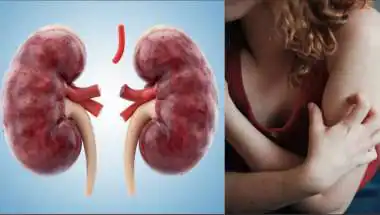
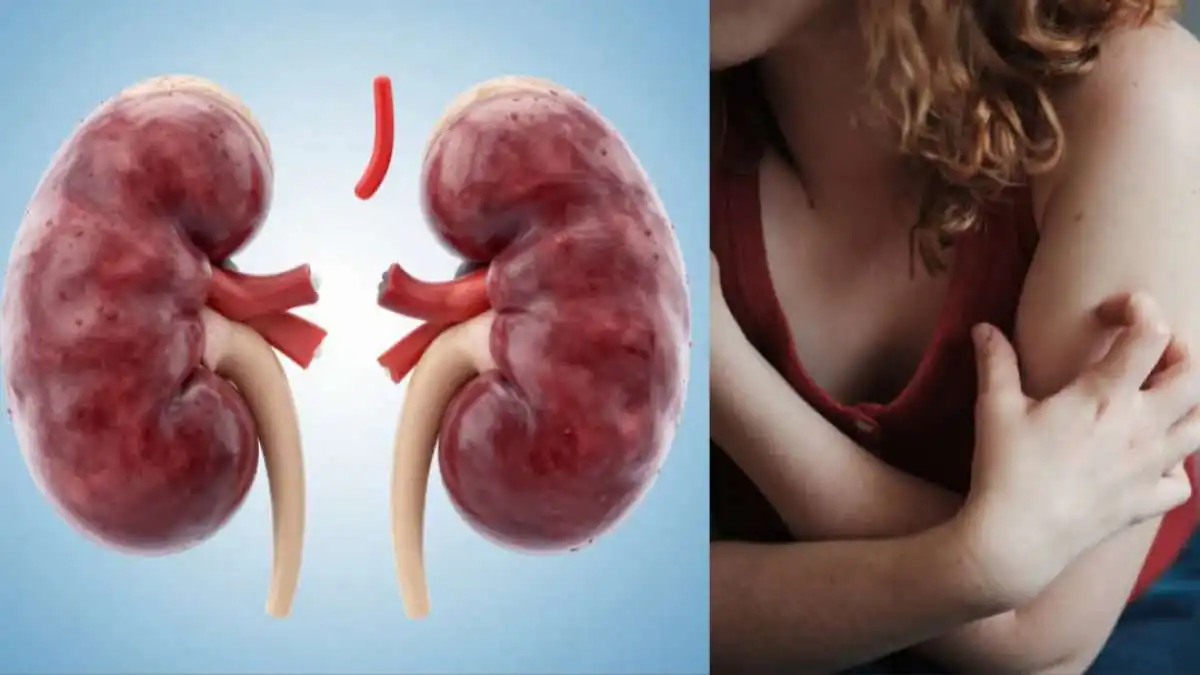
However, kidneys can be affected by various conditions, including Chronic Kidney Disease (CKD), kidney stones, infections, and high blood pressure. If left unchecked, these issues can escalate, potentially leading to kidney failure, necessitating dialysis or even a transplant. Such conditions can be life-threatening. Recognizing kidney problems early can significantly mitigate these severe outcomes. Let's look at the key warning signs associated with kidney disease.
The Silent Threat: Kidney Disease
Kidney disease is often referred to as a "silent killer." Experts highlight that Chronic Kidney Disease can silently damage the kidneys without clear warning signs. Initial symptoms are often mild, meaning many individuals remain unaware of their condition until it reaches an advanced stage, requiring dialysis or a kidney transplant. Research indicates a rapidly growing global burden of kidney disease, driven by increasing cases of diabetes, high blood pressure, and lifestyle-related illnesses. This makes early detection paramount, with experts advocating for regular screening tests.
Here are some critical warning signs of kidney disease:
Frequent Nighttime Urination
NHS.uk identifies frequent urination as one of the early indicators of kidney disease. Experts suggest that repeatedly waking up to urinate at night could be a symptom of this condition. When the kidney's filters are compromised, the urge to urinate increases, particularly noticeable during nighttime hours.
Swelling in Feet or Legs
The Cleveland Clinic points out that swelling around the hands, ankles, or face can be a sign of kidney failure. Experts explain that when kidneys don't function correctly, they fail to filter out excess sodium and water, leading to fluid accumulation in the body. This often results in swelling, particularly in the feet or legs. If your lower legs feel unusually tight, especially where shoes or socks are worn, it might signal kidney issues.
? Did You Know? Your kidneys filter about 200 liters of blood every single day, working tirelessly to keep your body clean and balanced.
Blood in Urine
Experts warn that the presence of blood in urine is a serious indicator of kidney damage. Hematuria, or blood in urine, signifies damage to the urinary tract and could point to kidney stones, infection, or severe kidney disease. If your urine appears pink, red, or brown, or if you notice blood clots, immediate medical consultation is advised. The National Kidney Foundation states that blood in urine is one of the most alarming warning signs of kidney disease.
Foamy Urine
Foamy urine, medically known as proteinuria, occurs when the kidneys lose their ability to properly filter proteins. Consequently, proteins like albumin leak into the urine, causing excessive foam. This is a clear sign that the kidneys are not functioning optimally.
Shortness of Breath
Kidney disease can lead to fluid accumulation in the lungs, causing shortness of breath, according to experts. While more common in advanced stages of kidney disease, some individuals may experience it earlier. The Mayo Clinic explains that if the body cannot filter waste and excess fluids, they can build up in the lungs, making breathing difficult. If you experience shortness of breath, especially when resting or lying down, seeking prompt medical attention is advisable.
Persistent Fatigue and Weakness
Fatigue is a common symptom across many health issues. Experts note that when kidneys are not functioning effectively, an excessive buildup of waste products and toxins in the body can lead to a lack of energy and persistent tiredness. If you constantly feel fatigued even after adequate rest, it could be a sign that your kidneys are not filtering waste properly.
Disclaimer: The health information and suggestions provided here are for educational purposes only. This information is based on scientific research, studies, and recommendations from medical and health experts. It is always best to consult your personal doctor before following them.
Stay tuned to MTTV India News for the latest developments.