
































This tiny, yet incredibly vital, bone is hidden deep within one of our most crucial sensory organs: the ear. Despite its diminutive size, its function is monumental. Should it become damaged or cease to operate correctly, a person's ability to hear could be severely compromised.
Meet the Stapes: The Body's Smallest Bone
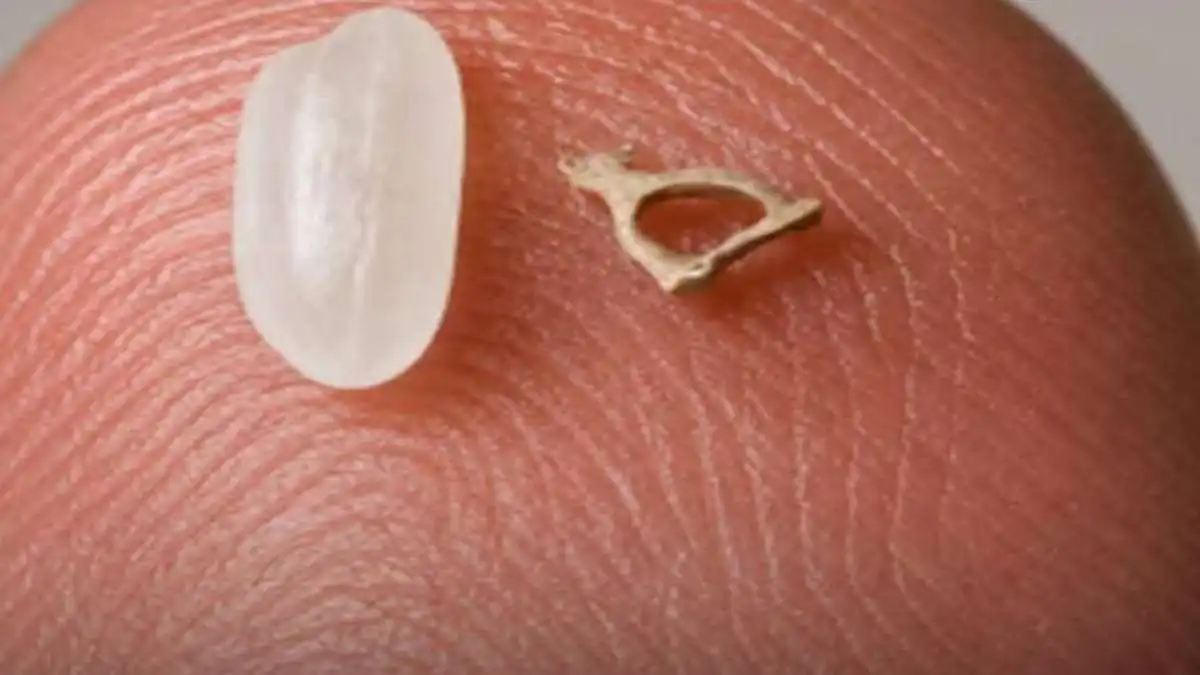
So, which bone holds the title for the smallest in the human body? It's called the Stapes, often referred to as the "stirrup bone" due to its resemblance to a horse's stirrup. This little wonder measures a mere 2 to 3 millimeters in length, making it truly smaller than a tiny grain of rice.
Yet, the Stapes plays an absolutely critical role in the complex process of human hearing. Its small stature belies its immense importance in our daily lives.
Where This Miniature Bone Resides
The Stapes isn't just floating around; it's precisely located within the middle ear. Here, it works in concert with two other small bones: the Malleus (hammer) and the Incus (anvil). Together, these three are known as the auditory ossicles, forming a chain that is essential for sound transmission.
? Did You Know? The three auditory ossicles (Malleus, Incus, and Stapes) are not only the smallest bones in the body but also the only ones that don't grow in size after birth.
How the Stapes Helps You Hear
The process of hearing is a remarkable chain of events. When sound waves reach our ear, they first strike the eardrum, causing it to vibrate. These vibrations are then transferred sequentially through the Malleus, Incus, and finally to the Stapes.
The Stapes then transmits these vibrations to the oval window, a membrane in the inner ear. Inside the inner ear, specialized fluids and cells convert these mechanical vibrations into electrical signals. These signals travel via the auditory nerve to the brain, where they are interpreted as sound.
It's clear that if the Stapes fails to perform its duty correctly, sound cannot be properly relayed to the brain, leading to significant hearing difficulties. While the Stapes is indeed tiny and delicate, it is generally well-protected within the ear and doesn't easily break during normal activities.
However, certain situations can affect this crucial bone. These include severe head injuries, deep ear trauma, rare medical conditions, or specific ear diseases.
For more detailed news coverage, visit https://en.mttvindia.com.