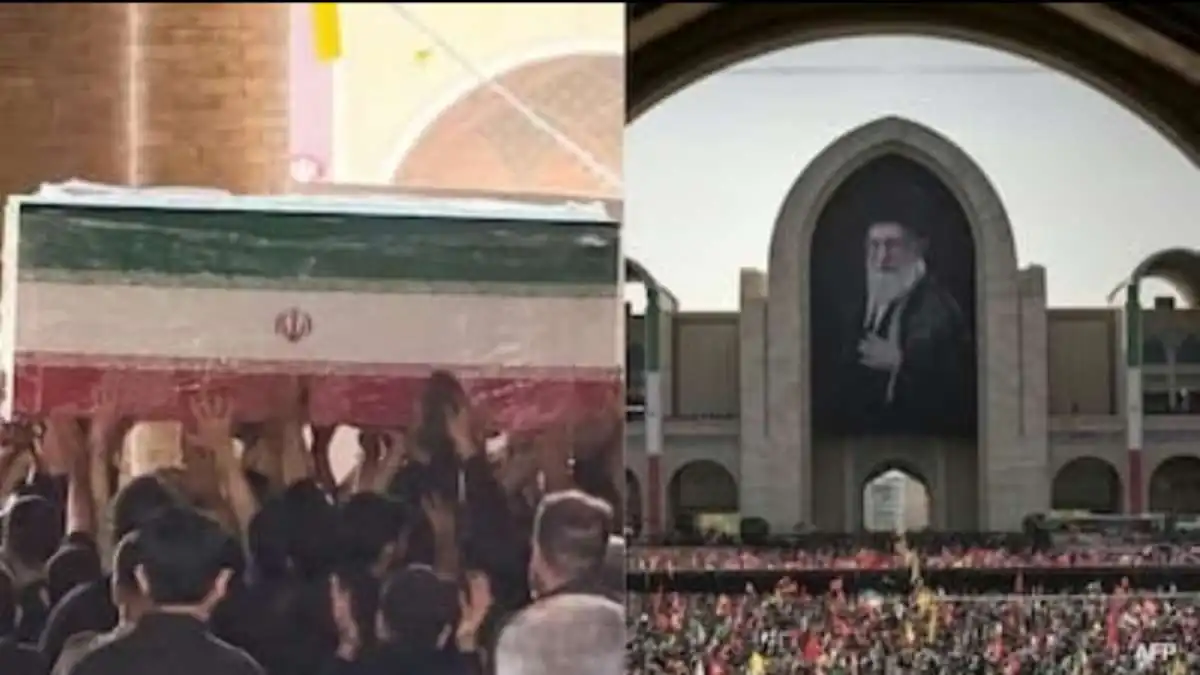




















These exceptional measures come at a time when Iran remains on high military alert. Khamenei's killing in an Israeli airstrike earlier this year, during the opening phase of the Iran war, ended more than three decades of his leadership. This event triggered a transition of power to his son, Ayatollah Mojtaba Khamenei.
Funeral: A Test of Stability Amidst Geopolitical Tensions
The funeral, expected to draw vast crowds across Tehran, Mashhad, and other cities, isn't just a national mourning event. It has quickly evolved into a critical test of Iran’s security preparedness and political stability. Lingering tensions with the United States over the fragile post-war truce add another layer of complexity.
The ceremony is being closely watched globally, not only as a display of national grief but also as a demonstration of political legitimacy. Tehran remains locked in tense negotiations with Washington over a permanent end to the conflict, making this public display of unity and control particularly significant.
Security Planning Extends Beyond Crowd Control
Iranian authorities have already deployed extensive security measures throughout Tehran. Roads have been closed, airspace restrictions imposed, and mourners are passing through multiple security checks before entering the Grand Mosalla, where Khamenei’s coffin lies in state. Armed police, intelligence personnel, and volunteers have been stationed across the capital, anticipating millions at successive funeral ceremonies before the burial in Mashhad later this week.
Beyond standard crowd management, Iranian officials have reportedly made contingency preparations on an unprecedented scale. Multiple reports indicate that thousands of graves have been readied. Internal security assessments have reportedly warned that casualties from crowd crushes, panic, or even a possible attack could tragically reach as high as 3,000 people under a worst-case scenario.
FAQ
What are the main concerns regarding Ayatollah Ali Khamenei's funeral?
The primary concerns revolve around the sheer number of attendees, with fears of mass casualties from crowd crushes, panic, or even a possible attack. Reports indicate authorities are preparing for up to 3,000 deaths in a worst-case scenario, leading to unprecedented security and contingency planning.
Why is this funeral considered a test of Iran's political stability?
The funeral occurs shortly after Supreme Leader Khamenei's death in an Israeli airstrike and amidst high military alert and ongoing tensions with the United States. The event is seen as a crucial demonstration of the new leadership's control, national unity, and political legitimacy, especially as Tehran is engaged in sensitive negotiations with Washington.
Stay tuned to MTTV India News for the latest developments on this evolving situation.